
Fixing Stairs That Shift or Sag
Structural Stair Repairs in Rostraver Township and surrounding areas for staircases showing instability or movement under load
When stairs begin to sway laterally, produce loud creaks, or feel noticeably soft underfoot, the underlying stringer system or attachment points have likely deteriorated or loosened. Cieply Built Contracting repairs structural issues with existing stairs to improve their stability, safety, and function. Homes in Rostraver Township with older staircases often experience loosened fasteners, rotted stringers where moisture has penetrated, or treads that have pulled away from their supports after years of repeated load cycles.
Structural stair repairs address the framework that supports the entire staircase, including stringer replacement, reinforcement of attachment points, and securing treads that have separated from risers. The repair process depends on whether damage is localized to a few components or whether the entire support structure needs reinforcement.
Request a detailed estimate based on your current stair condition and the extent of structural issues identified.
How Stair Repairs Address Movement and Instability
Most stair instability originates from one of three sources: stringers that have cracked or rotted, fasteners that have pulled loose from floor joists, or treads that have separated from their supports due to shrinkage or broken glue joints. The repair begins with identifying which components have failed and whether surrounding framing has also been compromised by moisture or structural shifting.
After repairs are complete, the staircase no longer shifts when you apply lateral pressure to the handrail, individual steps stop flexing or creaking under weight, and the entire structure feels as solid as it did when originally installed. You'll also notice that gaps between treads and risers close up, eliminating the hollow sound that often accompanies loose stair components.
Partial stringer replacement is possible when damage is confined to a section near the base or top landing, but widespread rot or cracking typically requires full replacement. Reinforcement brackets and additional blocking can extend the life of marginally damaged stringers if the core structure remains sound.
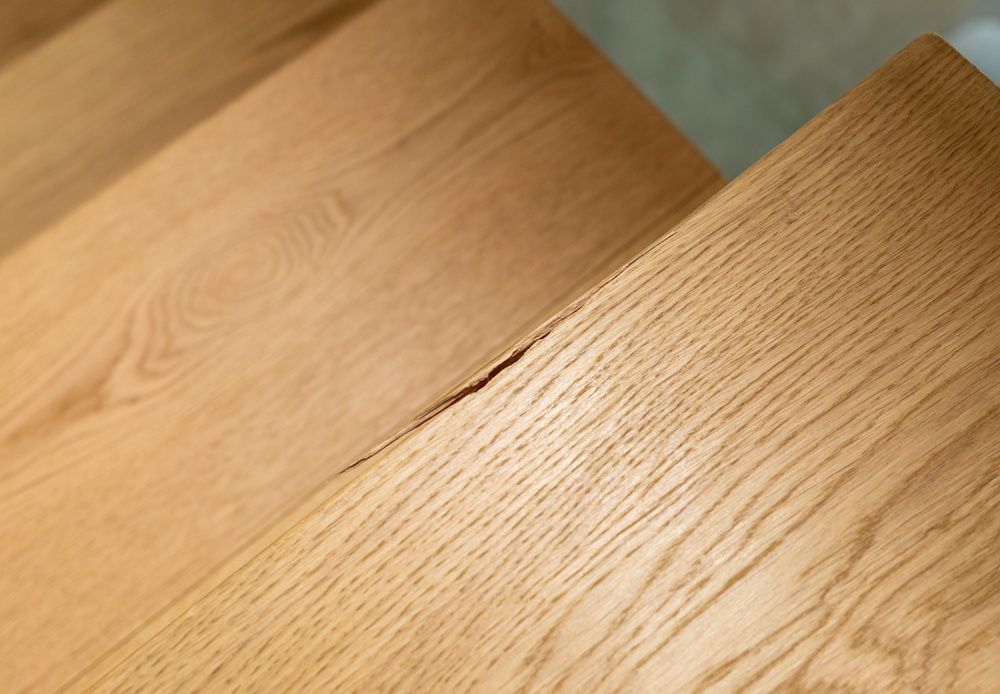
Homeowners dealing with unstable stairs usually want to know what's causing the movement, whether repairs are possible without full replacement, and how long the fix will last.
Common Questions About This Service
What causes stairs to suddenly start creaking after years of quiet use?
Wood shrinkage, loosened fasteners, or glue joint failure allow components to rub against each other as the stair flexes under load, producing noise that wasn't present when joints were tight.
How do you determine whether stringers need replacement or reinforcement?
Cieply Built Contracting inspects for visible cracks, checks for rot using a probe or moisture meter, and evaluates deflection under load to decide whether existing stringers can be salvaged.
Why do stairs near exterior walls deteriorate faster?
Temperature cycling and moisture infiltration through walls or foundation gaps cause wood components to expand and contract repeatedly, accelerating fastener loosening and promoting rot in poorly ventilated areas common in older Rostraver Township homes.
When should handrail wobble be addressed separately from stair structure?
If the staircase itself feels solid but the handrail moves independently, the issue is usually isolated to handrail brackets or newel post attachment rather than the stringer system.
How are damaged treads repaired without replacing the entire staircase?
Individual treads can be removed and replaced by cutting fasteners, lifting the tread free, and securing a new piece using screws and construction adhesive for a tight, squeak-free fit.
Cieply Built Contracting evaluates the full extent of stair damage to determine which components require replacement and which can be reinforced. Schedule a property evaluation to identify specific structural concerns and review repair options.