
Surfaces That Handle Moisture and Impact
Tile Flooring in Rostraver Township and surrounding areas for kitchens, bathrooms, and entryways exposed to water and heavy use
Water pooling near sinks, cracked grout lines that collect grime, and floors that chip under dropped cookware all indicate the need for properly installed tile surfaces. Cieply Built Contracting provides tile flooring installation in Rostraver Township for areas where durability and moisture resistance determine how long the floor performs without requiring replacement. The installation addresses substrate stability, waterproofing membrane placement, and grout joint sizing to prevent cracking and water intrusion that compromise floors over time.
Tile installation involves preparing a rigid, level substrate that won't flex under foot traffic, then setting tiles in thinset mortar with consistent spacing and alignment. Grout fills joints to lock tiles in place while allowing minor movement, and sealant application protects porous materials from staining and moisture absorption in areas like shower floors and backsplash transitions.
Arrange an on-site consultation to assess substrate conditions and review tile options suited to your specific room requirements.
How Tile Installation Addresses Moisture Exposure
The process begins with substrate evaluation to confirm the surface can support tile weight without deflection that cracks grout lines, often requiring cement board installation over wood subfloors in bathrooms and laundry areas. Waterproof membranes are applied beneath tiles in wet locations to prevent water from reaching the subfloor when grout eventually develops hairline cracks from normal settling, a detail that separates installations that last from those that require tear-out due to hidden water damage.
Once completed, you'll notice grout lines remain clean and intact rather than crumbling or darkening with trapped moisture, and tiles stay firmly bonded instead of developing the hollow sound that indicates thinset failure beneath individual pieces. The floor sheds water toward drains without pooling in low spots, and surface cleaning no longer requires scrubbing embedded stains from porous grout that wasn't sealed properly during installation.
Tile selection affects slip resistance in wet areas and how visible wear becomes over years of foot traffic, with larger format tiles reducing grout line maintenance but requiring flatter substrates to prevent lippage between adjacent pieces. The installation includes edge treatments at transitions to carpet or hardwood, ensuring thresholds sit flush and don't create tripping hazards or gaps where water can migrate to adjoining rooms.
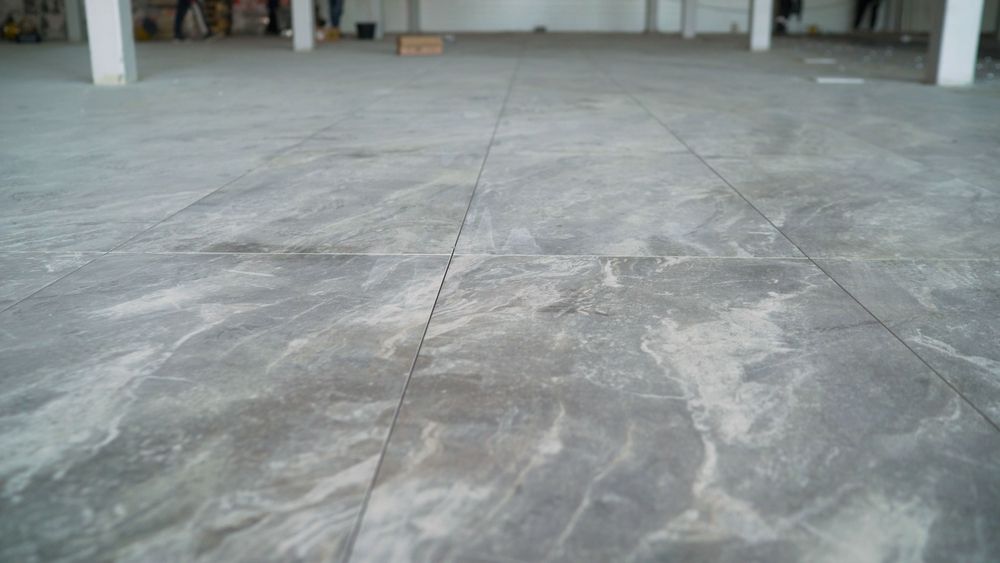
Tile projects raise specific questions about material selection and installation methods, particularly for homeowners comparing options for different room conditions.
Answers to Frequent Service Questions
What substrate preparation does tile require?
Tile needs a rigid, level surface that doesn't flex more than industry standards allow, typically requiring cement board over wood subfloors in kitchens and bathrooms to prevent cracking from movement that plywood alone can't eliminate.
How does grout joint width affect maintenance?
Wider joints are more forgiving during installation over slightly uneven substrates but collect more debris, while narrow joints create a cleaner appearance but require flatter tile placement and show substrate irregularities more readily.
Why do some tiles crack while others remain intact?
Cracking usually results from substrate movement, voids in the thinset layer beneath tiles, or impact on unsupported tile edges, which is why proper thinset coverage and substrate stability matter more than tile thickness alone.
What tile types work best in Rostraver Township entryways?
Porcelain tile withstands freeze-thaw cycles better than natural stone in entry areas exposed to tracked snow and de-icing salts, and textured surfaces provide better traction on wet floors than polished finishes.
When should existing tile be removed versus installing over it?
Installation over existing tile works only when the current surface is fully bonded, level, and compatible with additional height at transitions, otherwise removal prevents compounding problems from a failing base layer.
Cieply Built Contracting manages tile installations from substrate preparation through final sealing, addressing the underlayment and waterproofing details that determine whether the floor performs reliably in moisture-prone areas. Request a project estimate that accounts for your specific substrate conditions and tile preferences.